
By 3D North Star Freedom File
Reparations, Systemic Inequality, and the Reality of Black Progress
While overt racism declined after the 1960s, deeper systemic issues remained unresolved—and in many ways, reshaped.
Many blatant forms of discrimination ended after the 1960s. Legal segregation was dismantled, and overt racist policies were no longer openly enforced.
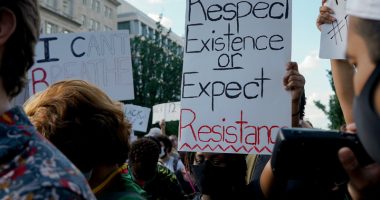
But this change did not come easily. Black communities had to march, protest, and ultimately riot to force these changes into reality.
Even then, the end of Jim Crow did not mark the end of racism. It simply shifted into more subtle and less visible forms.
Despite centuries of slavery and decades of Jim Crow, no large-scale restitution was provided to Black Americans after these systems were dismantled.
At the same time, many prominent Black leaders who advocated for economic empowerment and structural change were removed.
Leaders like Malcolm X, Dr. Martin Luther King Jr., and organizations such as the Black Panther Party emphasized economic independence and community organization.
Their influence was cut short, and movements focused on long-term economic strategy were disrupted.
During the late 1960s and into the 1970s, many industrial jobs were relocated away from urban Black communities.
This loss of employment opportunities contributed to economic decline in already vulnerable areas.
Policies, housing restrictions, and economic shifts compounded existing inequalities and created long-term structural challenges.
The Great Migration saw millions of Black Americans move north in search of safety and opportunity.
However, discriminatory housing practices such as redlining restricted access to suburban homeownership.
As resources followed those who left urban centers, inner cities experienced economic decline and reduced investment.
Over time, leadership within Black communities shifted from long-term strategic organization to more reactive responses to events.
Many movements now respond to individual incidents rather than building sustained systems for economic and political leverage.
Voting is often emphasized, but without parallel economic organization, its impact can be limited.
The argument for reparations centers on addressing historical injustices and their lasting economic effects.
Potential approaches include financial compensation, educational opportunities, healthcare access, and economic investment in communities.
Reparations can also take the form of policy reform, ensuring fairness within legal, economic, and institutional systems.
Long-term solutions require building strong institutions within communities—schools, businesses, healthcare systems, and media platforms.
Economic independence, access to resources, and community organization are essential for sustainable progress.
Investment in education, entrepreneurship, and community infrastructure can create lasting change.
The systems that created inequality are complex, and addressing them requires both awareness and action.
Understanding history is important, but building forward requires strategy, organization, and long-term commitment.
Real change comes not only from recognizing problems, but from developing structured solutions that endure.
Awareness is the beginning. Organization is the next step.